Extended international break brings injuries, fan frustration and lower-league opportunities
FIFA's first three-week international break aimed to improve player welfare but has been marked by injuries, fan discontent, and unexpected boosts for lower-league and women's football.
The first international break of the 2026-27 season has been extended to three weeks, up from the usual two, as part of FIFA's effort to reduce the number of breaks from five to four and ease travel demands on players. The change was also influenced by the 2026 World Cup final being scheduled for 19 July, the latest summer final since 1966. Domestic action in the Premier League and Championship resumes on Friday.
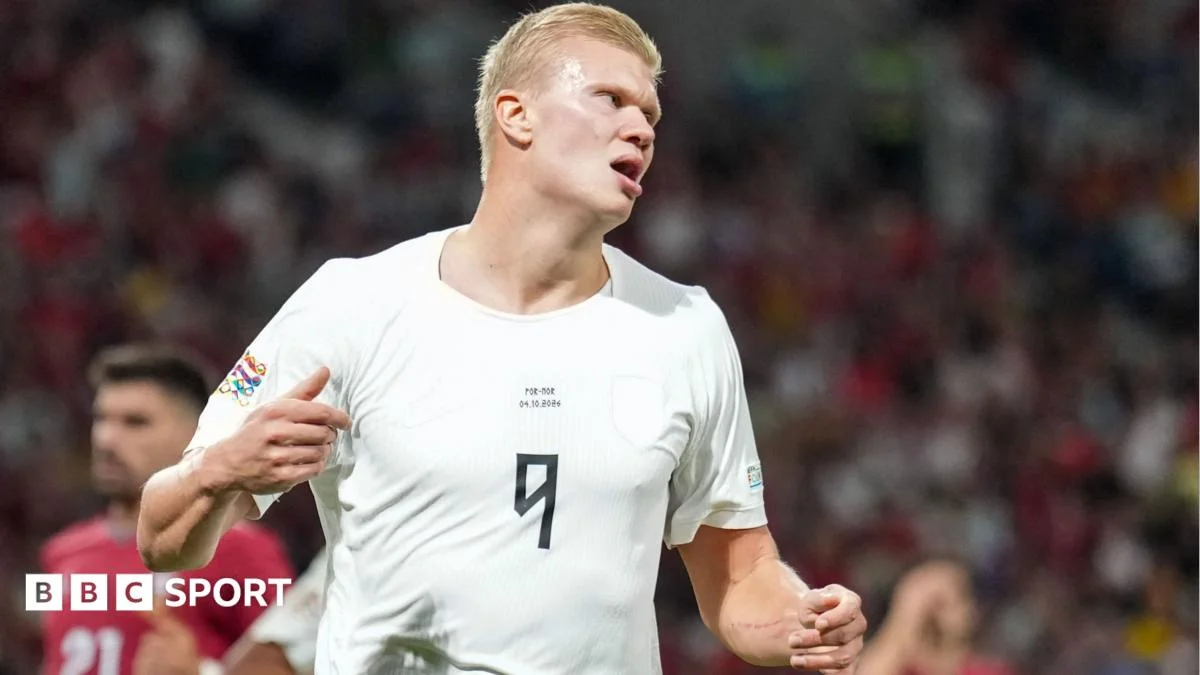
However, the break has been overshadowed by a growing list of injuries. Bournemouth midfielder Alex Scott withdrew from the England squad with a thigh injury, and the club is unhappy with how England handled the situation. Manchester City striker Erling Haaland limped off in Norway's match against Portugal and left camp, prompting the Norwegian players' union to voice concern over increased demands. Liverpool's Cody Gakpo and Alexander Isak also picked up injuries, while Portugal boss Jorge Jesus revealed Bruno Fernandes had been playing through pain. Other casualties include Kylian Mbappe and Raphinha.
England manager Thomas Tuchel acknowledged the break is "more challenging" than previous years but insisted player welfare remains the top priority. He noted positives, such as longer time for training and team cohesion, but said more data is needed to determine if the extended window causes more injuries. "We need to get the numbers right," he said.
Supporters have expressed frustration. Shay from Swindon called it "boring" without club football, while James McCreadie criticised losing players to "glorified friendlies." Matt from York suggested the number of muscular injuries, including to the usually robust Haaland, highlights a failed experiment. Another fan, Kelvin Thomas, predicted players would make "miraculous recoveries" upon returning to their clubs.
Not all effects have been negative. With no top-flight domestic fixtures, lower-league and Women's Super League matches drew larger crowds. In League One and League Two, only three of 11 Saturday games had attendances below the home club's season average, and five of seven WSL matches exceeded their average. The break also provided television exposure and financial boosts for smaller clubs.
Image: Getty Images / BBC Sport