Fifpro survey: Women's football growth leaves players in precarious conditions
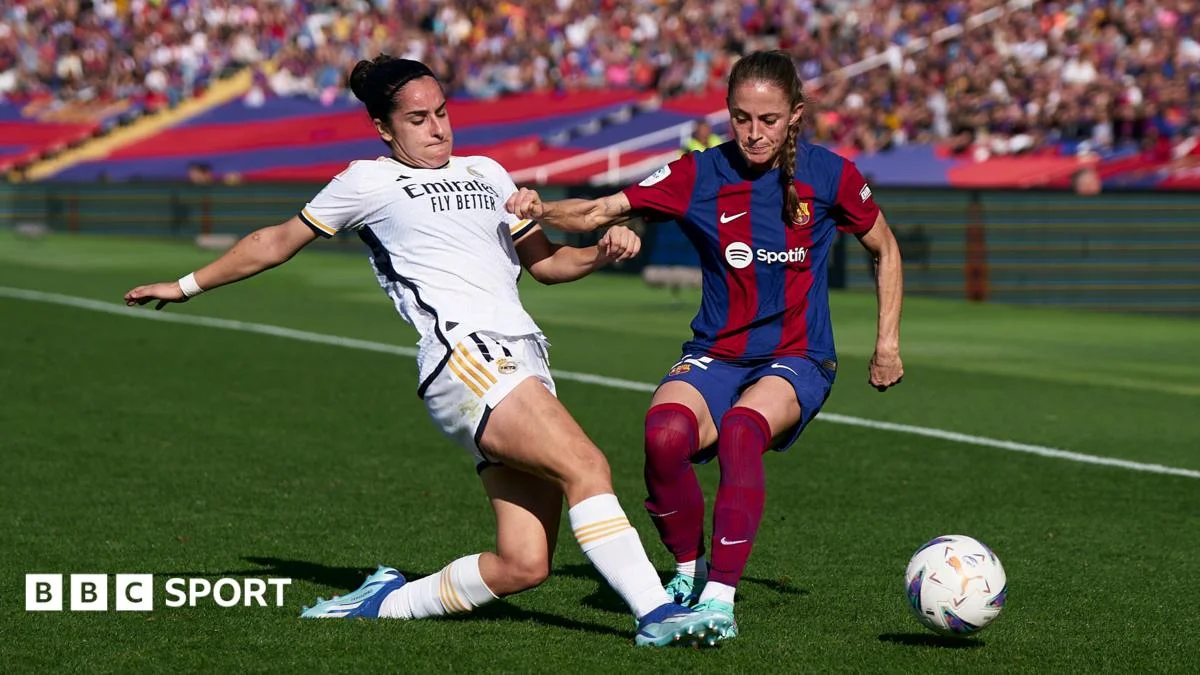
A global Fifpro survey of over 800 female footballers reveals low pay, insecure contracts and rising psychological stress despite the women's game heading toward a billion-dollar industry.
Women's football is on track to become a billion-dollar industry, but a new Fifpro survey of more than 800 professional players reveals that many still face low wages, insecure contracts and growing psychological stress. The players' union found that 59% cited financial reasons for potentially leaving the game early, while 46% pointed to psychological stress—a sharp rise from 13% in Fifpro's 2017 survey.
The report highlights stark economic disparities. Although average monthly earnings have tripled since 2017 to $2,601, the median salary is just $1,669. Pay varies widely by region, from $6,450 in North America to $480 in Africa. In ten Eastern European countries, average pay remains below the national minimum wage. Contract insecurity persists: only two-thirds of players are paid for the full 12 months, and 24% experienced late payments in the past two seasons.
Many players also lack basic protections. While all respondents played in their country's top tier, only 78% had a written contract, 82% were paid by their club, and just 57% said that payment covered the costs of playing. Only 62% considered themselves professional, despite Fifa's definition. Additionally, 42% were not provided with a pension, and half of those who struggled with mental health received no support from their clubs.
Alex Culvin, Fifpro's head of women's football, attributed the rise in psychological stress to growing public exposure, financial insecurity and inadequate support systems. She noted that players are often obligated to maintain a visible profile to supplement low incomes, yet many feel left to cope alone. Culvin warned that the sport's commercial boom could mask these day-to-day realities.
Not all trends are negative. The proportion of players who said wanting a family could drive them out of football fell from nearly half in 2017 to 19%, a shift Fifpro links to Fifa's maternity regulations introduced in 2021. Culvin said this shows targeted regulatory intervention works.
Fifpro is calling for urgent action, arguing that commercial growth and player welfare must advance together. Culvin said the industry must give players a seat at the table, adding: "Enough is enough." She stressed that the economic case for women's football has been made, but regulatory and policy frameworks need to catch up quickly to protect the workforce—especially the 95% of players outside the elite who face vulnerable and precarious conditions.
Image: Getty Images / BBC Sport