Manchester City's Transfer Spending: Where the Money Went and Its Impact
Manchester City spent over £1.2bn on players between 2009 and 2018, with the independent commission finding the club inflated its accounts by more than £900m. We trace the flow of transfer money to other clubs and examine the consequences.
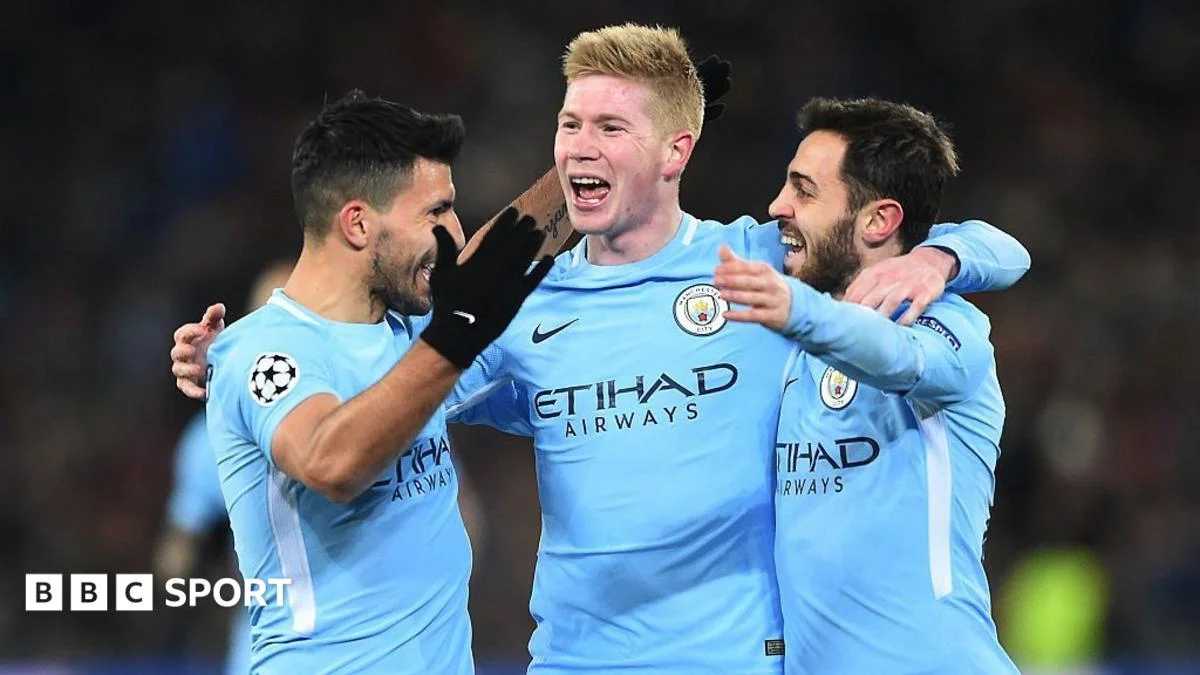
Between summer 2009 and winter 2018, Manchester City spent approximately £1.2bn on player transfers, a net spend of about £900m that was the highest in English football during that period. An independent commission found that the club had inflated its accounts by more than £900m, and concluded that the outlay would have been heavily reduced had they not knowingly broken financial rules. City's spending was central to their rise as England's most successful club.
The money was distributed to 46 clubs across 19 national league systems. Just over a quarter of City's total transfer outlay went to Premier League clubs, with eight signings from the English top flight and the same number from La Liga. The highest fees were paid to clubs including Wolfsburg, Monaco, and Arsenal, the latter being the club from which City purchased the most players (four) in that timeframe.
For some recipients, the influx of cash did not translate into sustained success. Wolfsburg signed Julian Draxler for about half the fee they received for Kevin De Bruyne in 2016, but dropped from second to eighth in the Bundesliga and narrowly avoided relegation in the following two seasons. Monaco, after selling Benjamin Mendy and Bernardo Silva to City in the same summer, went from Ligue 1 champions and Champions League semi-finalists to nearly being relegated within two years. Arsenal, meanwhile, did not mount a serious Premier League title challenge during that period.
Clubs that did not receive City payments could also argue they were disadvantaged. Benfica and Porto received similar totals from City, but Sporting, the third member of Portugal's big three, got nothing and did not win a title between 2009 and 2018. Sell-on clauses also directed funds to uninvolved clubs: Queens Park Rangers earned roughly £9m from Raheem Sterling's move from Liverpool in 2015, and Barnsley took about £7m from John Stones's transfer from Everton in 2016.
The spending unquestionably changed the transfer market, driving up fees and wages across the game. However, the long-term effects are difficult to untangle. As the article notes, the consequences of that spending will reverberate for years to come, with too many indirect outcomes to fully assess.
Image: Getty Images / BBC Sport