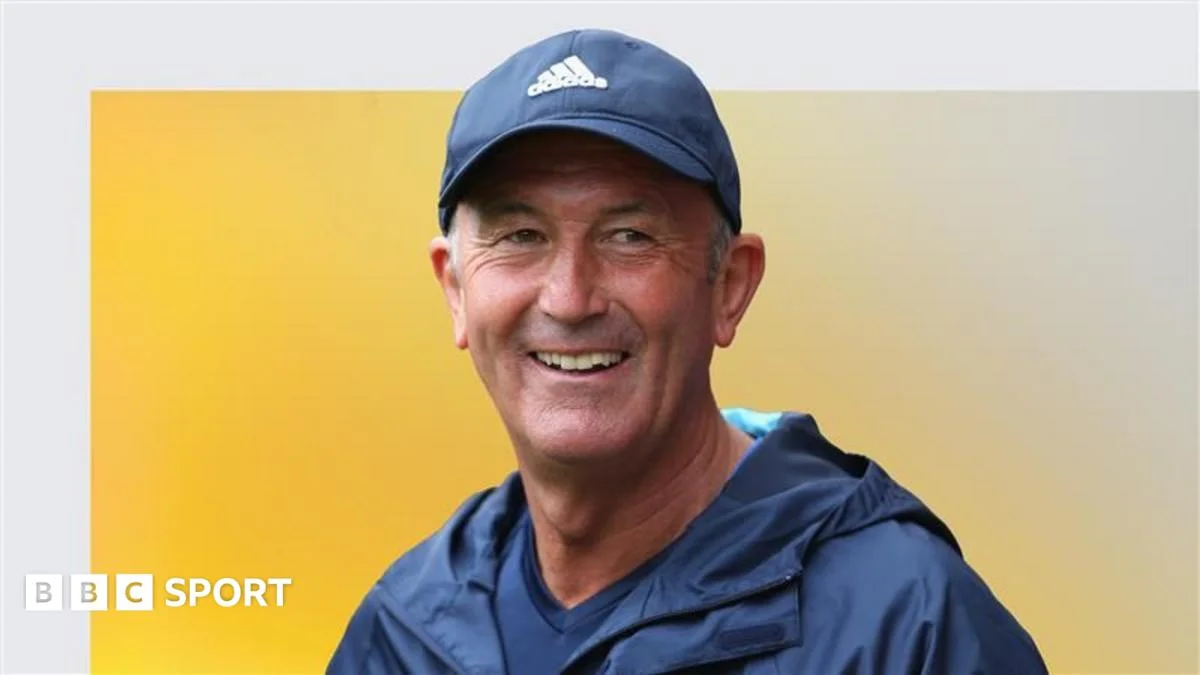
Pulis: Out-of-work managers should learn from history's leaders
Tony Pulis reflects on life between managerial jobs, arguing that scouting, studying great leaders such as Napoleon and Shackleton, and returning to work quickly can prepare coaches for their next role.
Tony Pulis has used his BBC Sport column to explain how out-of-work managers can stay sharp and ready for their next opportunity, drawing on his own experiences since his first sacking at Bournemouth more than three decades ago. He recalled former Portsmouth manager Jim Smith urging him to pick himself up and get straight back into the game rather than dwell on the disappointment, advice Pulis said he has since passed on to others.
Pulis pointed to the volume of managerial turnover, noting that 60 different managers have resigned or been sacked by Premier League and Football League clubs since the start of last season, with 37 of them, or 62%, not currently in management. He said the November international break often accelerates both dismissals and appointments, leaving more coaches available than there are vacancies.
During one spell out of work, Pulis scouted for Bruce Rioch at Bolton, a role he said taught him that the players are the key to success. He argued that clubs at every level have good players and managers working to budgets, and that matching affordable, suitable players to the level you are at is a major factor in whether a manager succeeds or fails. He also stressed the importance of character, coaching and motivation.
Pulis said the knowledge gained that season helped him when he took over at Gillingham, where he inherited a squad with several players out of contract and rebuilt the first team with players he had watched while scouting. He said the side finished second in what is now League Two and won promotion in his first season, launching four years of his managerial career in Kent.
Beyond football, Pulis said he studied historical leaders, including Napoleon Bonaparte, and military episodes such as the Charge of the Light Brigade, which he visited in Crimea. He highlighted Napoleon's attention to detail and the loyalty he inspired, and contrasted that with the ambiguous orders and garbled communication that he said contributed to the Balaclava disaster, drawing a parallel with the importance of clear leadership and communication in football.
Pulis also cited Sir Ernest Shackleton's leadership during the HMS Endurance expedition as an example of inspiring followers in appalling conditions. His advice to managers currently out of work is to get off the sofa, accept a job at a lower level if necessary and keep watching games, adding that experience from other walks of life can be invaluable.