UK Female Coaching Numbers Drop Despite Rising Visibility
A UK Coaching study reveals a 6% decline in female coaches, with grassroots volunteer roles falling 10%, as cost, childcare and stereotypes block progress.
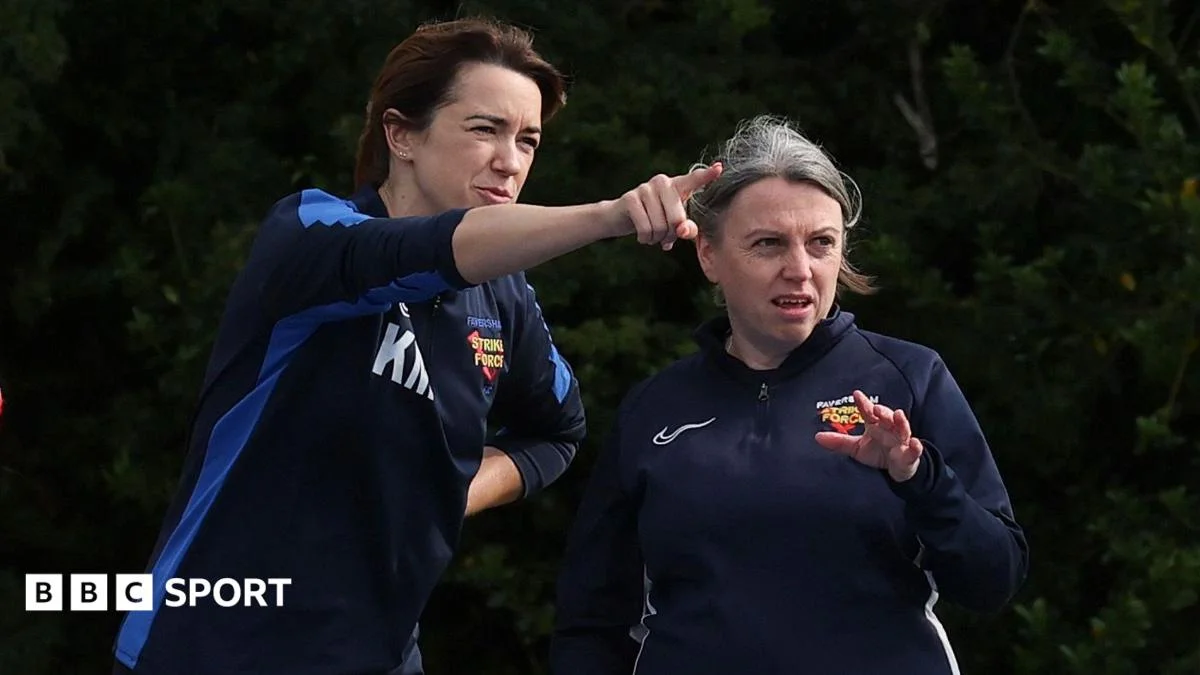
The number of female coaches in the UK has fallen by 6% in recent years, according to UK Coaching, with a 10% drop in volunteer coaches at grassroots level. Emily Handyside, lead at UK Coaching, told BBC Sport that women "must work twice as hard as a man to be respected and credible", as assumptions that a coach is male make women feel they do not belong.
Research cited by UK Coaching highlights systemic barriers including bullying, harassment and unequal opportunities. New FA data shows that while half of girls playing organised football would confide in a female coach, only 7% of grassroots coaches in England are women. Just 13% of teenage girls play organised football weekly, compared with 46% of boys, and 49% of those girls are mostly coached by someone of their own gender.
At elite level, the Women's Super League has seen progress: eight of 14 managers are now women, up from four of 12 in January 2023, aided by a FIFA quota requiring women's teams to have a female head coach or assistant. However, grassroots remains a different story, with cost a major hurdle. The UEFA Pro Licence costs £14,000, the A Licence £4,150, and the B Licence £1,250, while the C Licence costs £650 and can only be subsidised for those already at an FA-registered club.
Former England international Fara Williams said the drop in numbers is "a shock", noting that the cost of badges does not match the salaries or opportunities available. "I tried it, it was not feasible," she said on BBC's Women's Football Fallout, explaining that her generation was not paid enough to risk mortgage-free coaching. Handyside acknowledged cost affects both genders but is a bigger barrier for women because the risk and reward balance is more outmatched.
Childcare and family life disproportionately impact women, according to Handyside, who said women are often written off once they have a family. Ex-England international Anita Asante described coaching as a choice between family time and the game. Handyside called for job shares, part-time roles and guarantees that coaches can return after stepping away, while grassroots coach Zoe Conning said coaches must be better paid and bursaries better advertised.
Handyside's UK Coaching has launched a Women in Coaching Plan and signed the Brighton Plus Helsinki Declaration. She wants government mandates on coaching metrics, including retention as a funded performance indicator. "This isn't about blaming men," she said, pointing to the all-or-nothing culture and stereotypes in high-performance sport.
Image: Getty Images / BBC Sport